In modern biochemistry and molecular biology, efficient separation of proteins is crucial for research and industrial applications. FPLC chromatography and Fast Protein Liquid Chromatography (FPLC) have emerged as essential techniques, offering precise, reliable methods for purifying proteins. These technologies streamline the process, allowing researchers to isolate proteins with high purity and efficiency, making them integral to advances in biopharmaceuticals and academic research. Understanding FPLC Chromatography FPLC chromatography is a form of liquid chromatography designed specifically for separating proteins and other biomolecules. It operates under moderate pressure, allowing for the resolution of complex protein mixtures while maintaining the biological activity of the molecules. One of the key advantages of FPLC chromatography is its ability to provide high-resolution separation without compromising the structural integrity of delicate proteins, making it a preferred m...
Fast Protein Liquid Chromatography, commonly known as FPLC, is a form of liquid chromatography frequently used to analyze or purify mixtures of proteins. As a specialized type of chromatography, FPLC efficiently separates proteins based on their individual properties, such as size, charge, and hydrophobicity. This method is highly valued in research and industrial settings due to its precision, effectiveness, and versatility. FPLC has significantly advanced our understanding of protein structures and functions, playing a pivotal role in biotechnology, pharmaceuticals, and biochemistry. The method’s high-resolution capabilities make it an indispensable tool for scientists aiming to isolate proteins for various applications. Principles of FPLC Chromatography: The foundational principle of FPLC chromatography lies in its ability to separate proteins based on specific characteristics. A sample is passed through a column filled with stationary phase material in this process. The...
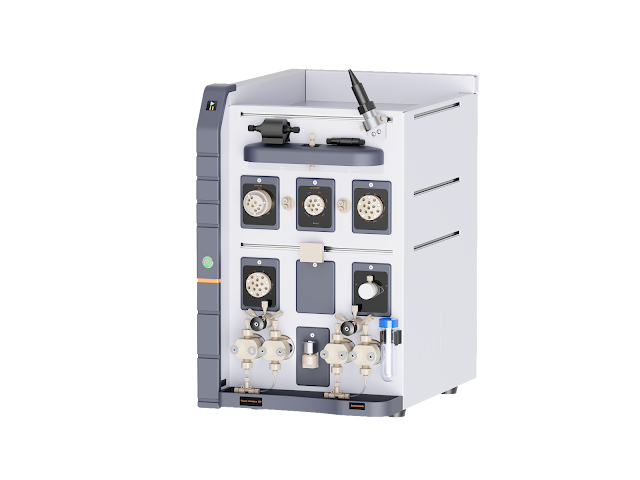
In the dynamic field of biotechnology, AKTA and Fast Protein Liquid Chromatography (FPLC) are pivotal technologies that have revolutionized protein purification processes. These systems provide scientists with the precision and efficiency needed to isolate and study proteins with high accuracy. Their integration into research labs and biopharmaceutical development is essential for advancing scientific discovery and therapeutic production. What is AKTA Technology? AKTA systems are sophisticated liquid chromatography systems designed specifically for protein purification and biomolecule separation. Developed by Cytiva, AKTA is renowned for its flexibility and precision, allowing scientists to use a variety of chromatographic techniques such as ion exchange, affinity chromatography, and size exclusion. The automation and high reproducibility of AKTA make it an indispensable tool in both small-scale research settings and large-scale industrial applications. AKTA's Role in Protein Stud...

.jpg)

Comments
Post a Comment